Post-Purchase Engagement - Turn Buyers Into Loyal Fans
E-commerceElena Rodriguez
• 8 min read
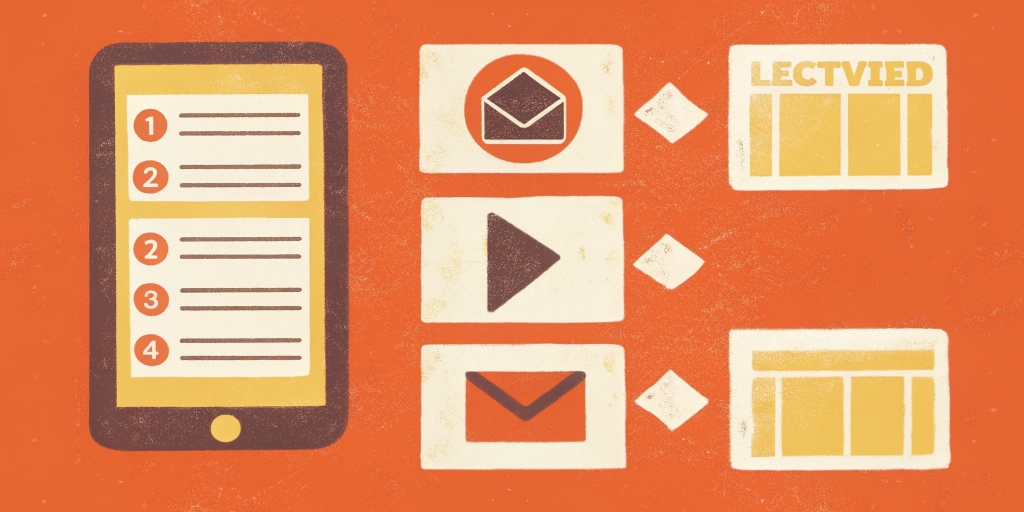
A robust post-purchase strategy not only delights customers but also _“ensures your brand enjoys stronger revenue retention”. Imagine a brand that sends a follow-up video tutorial or a VIP discount days after delivery – these little surprises keep the excitement alive. In this guide, we’ll explore practical tactics for mid- to large-sized e-commerce businesses: from targeted email and SMS sequences to engaging packaging, loyalty programs, and more. We’ll illustrate each approach with real-world examples, showing how you can boost repeat business and turn every sale into the start of a long-term relationship
What Is Post-Purchase Engagement?
Post-purchase engagement encompasses all the ways your brand connects with customers after they click “Buy.” It’s a dedicated phase where the goal is to keep buyers excited and valued, rather than treating the transaction as an endpoint. In practice this can include warm thank-you emails, branded order-tracking pages, timely shipping updates, or even how-to product videos and loyalty incentives once the package arrives. Each of these touchpoints reminds the customer that your company cares.
For example, you might trigger an automated confirmation email immediately after purchase, then send a personalized SMS when the order ships, followed by a feedback survey or special coupon a few days later. These follow-ups reassure buyers and build trust. As Rokt notes, the hours and days after a purchase are when customers are “most engaged” – eagerly checking email and tracking their package – making it a prime opportunity to turn that attention into repeat business. Conversely, silence or errors (like missing updates) can break the experience – one industry study found 78% of shoppers will abandon a brand after just one bad delivery experience.
In short, post-purchase engagement is your strategic effort to transform a first-time buyer into a life-long fan. It means owning the experience from checkout through delivery and beyond – through clear comms, helpful resources, surprise perks and personalized offers. It’s also measurable: you can track email open rates, coupon clicks, repeat purchase rates and NPS scores to see what’s working. For direct to customer and marketplace brands, this investment pays off: as Narvar emphasizes, a strong post-purchase program “improves the customer experience” and _“ensures your brand enjoys stronger revenue retention”. After all, studies show a small core of repeat customers drives most of your revenue – roughly 80% of future sales often come from just 20% of buyers.
Why Post-Purchase Engagement Matters
Smart brands treat the sale as the beginning of a relationship. Repeat buyers spend far more and cost much less to serve than new customers. For instance, one analysis found existing customers spend about 67% more than first-time buyers, and repeat purchasers (only ~21% of customers) accounted for 44% of a retailer’s revenue in a Shopify study. Meanwhile, acquiring new customers has become increasingly expensive: Narvar reports acquisition costs are up more than 200%, with merchants losing an average of $29 for each new customer gained. In other words, it can take multiple purchases before a new customer becomes profitable, highlighting why retention is gold.
Loyal customers also generate referrals and goodwill at essentially no extra cost. Narvar notes that satisfied repeat buyers are far more likely to recommend a brand – what they call “cost-free growth”. In contrast, neglecting the post-purchase phase is risky: industry surveys show that 80-85% of customers won’t return after just one poor post-sale experience (like a late delivery or broken product). Clearly, when customers feel valued after the purchase, they stick around; when they feel ignored or frustrated, they vanish.
In practical terms, boosting retention is a more scalable growth strategy than constant acquisition. Marketing experts estimate it costs 5× more to acquire a new customer than to keep an existing one. By building trust and loyalty after a sale, brands see higher lifetime value, more consistent revenue, and even word-of-mouth promotion. As one ecommerce CMO put it, “the post-purchase experience isn’t just nice-to-have – it’s a profit center in its own right.”
Key Elements of a Post-Purchase Strategy
A successful post-purchase plan has several core elements. Here’s what to focus on:
Clear Communication & Order Tracking
Proactive communication is fundamental. Automated messages (via email or SMS) should confirm the order, recap details, and set delivery expectations. Branded tracking pages or notifications keep customers informed at every step. In fact, research suggests over 70% of shoppers expect proactive status updates, so sending timely shipping and delivery alerts can be a competitive edge. Tools like mobile-friendly tracking portals allow buyers to check shipment status on their own. Kase Analytics observes that customers are “most engaged” in the days after purchase – so well-timed emails and texts will see high open rates. In practice, set up at least: an immediate order confirmation email, automated shipment/delivery notifications, and (optionally) SMS updates if the customer opts in. These create a transparent communication flow that boosts confidence and trust in your brand.
Personalized Follow-Ups and Content
Generic messages won’t cut it. Personalization is key to keeping customers engaged. After the sale, send follow-ups that address the buyer by name and relate to what they purchased. For example, if a customer bought a new camera, send a guide on getting started with photography. If they ordered cooking tools, email a recipe they might enjoy. Research finds roughly 73% of customers expect personalized treatment from brands. Tailor recommendations or tips to each customer segment. You can also schedule additional touchpoints: maybe a “how-to” video a week after delivery, an invitation to a customer community, or a special birthday/anniversary coupon. Soliciting feedback is another personalized tactic (think: “How are you enjoying X? Reply to this email to let us know.”). Each tailored message provides value and keeps your brand top-of-mind.
Delightful Packaging & Unboxing
Your packaging is an opportunity to impress. Premium, on-brand packaging can turn an ordinary delivery into an experience. Kase reports that 52% of shoppers are more likely to buy again if their order arrives in attractive, branded packaging. On the flip side, a bland box misses an easy chance to delight. Consider adding simple touches like a thank-you card, stickers, or a small free sample. Luxury floral brand Venus et Fleur, for example, personalizes each box with engraved keepsake packaging and custom notes. Eco-conscious Allbirds uses 100% recycled packaging that doubles as a return envelope, reinforcing brand values and convenience. Even minimalist touches – such as easily scannable QR codes linking to thank-you videos – can make opening the package memorable. The goal is to reinforce your brand’s story in every unboxing.
Exceptional Customer Support
Above all, turn every interaction into a positive one. Empathic, fast support builds loyalty. Encourage your team to solve problems, not just follow a script. For example, Zappos empowers support reps to take as long as needed to satisfy a customer – no call-time limits or rigid scripts. This led to legendary service (one 10-hour support call turned a problem shopper into a 75% repeat buyer). Your team should proactively reach out if there’s a shipping delay or product issue, and always aim to make it right. Simple gestures – like offering a small gift on a customer’s birthday, or a heartfelt apology email with a free return label if something went wrong – can turn a problem into a chance to gain loyalty. Remember: a speedy, caring resolution often earns more repeat business than a smooth first sale ever could.
Loyalty Programs & Incentives
Reward customers for coming back. A structured loyalty program (points, tiers or membership) encourages repeat purchases. For example, customers might earn points for every dollar spent that can be redeemed for discounts or exclusive products later. Referral incentives are also powerful: offer a credit or gift to customers who bring in friends (and give the friend a welcome discount too). Even simple gestures like emailing a 10% off coupon on the customer’s next birthday can make them feel valued. Industry experts recommend integrating loyalty at every step – a discount code on the packing slip, bonus points for social shares, or early access to new products. These rewards keep customers engaged with your brand and incentivize them to choose you again.
Seamless Returns & Easy Exchanges
Finally, don’t forget to simplify returns and support. Make it pain-free for customers to send items back or get exchanges. Provide clear instructions and pre-paid return labels (Allbirds even designed its box to double as a return envelope). Communicate your return policy up front so customers know what to expect. A hassle-free return builds trust: when customers know they won’t be stuck if something’s wrong, they feel safer buying. Quick, friendly handling of returns or refunds can actually increase long-term loyalty – it shows you stand behind your product. In short, handle post-purchase issues generously, and you’ll often win the customer back in the process.
Post-Purchase Engagement Tactics
Beyond these building blocks, here are specific tactics to execute your strategy:
Email & SMS Sequences
Automated messaging flows are the backbone of post-purchase communication. Narvar advises a basic sequence: order confirmation → branded tracking/shipping email → delivery notification → optional SMS updates. Each message keeps the customer informed. You can extend this with additional touches: for instance, send a “thank you” text on delivery day, and a “how-to” or cross-sell email about a week later. Bitly’s marketing guide recommends similar step-by-step SMS flows – for example, a welcome text on purchase, followed by a care tip or review invitation a few days later. Use your email/SMS platform’s automation to personalize and schedule these communications. Well-timed, useful emails and texts will be opened, whereas random blasts often get ignored.
Upselling & Cross-Selling Offers
The post-purchase window is also an upsell opportunity if handled thoughtfully. For example, on the thank-you page or in the confirmation email, suggest complementary products or bundle deals. Narvar explicitly lists “companion product recommendations” as a key tactic. You might say “Customers who bought X also liked Y” or include a limited-time discount on an accessory. Timing is everything: rather than being aggressive at checkout, follow up a week after delivery with an email highlighting related items that enhance the purchase. The key is to add value for the customer (not just push more products). Done well, cross-sells in this phase feel like helpful suggestions instead of spam.
User-Generated Content & Community Building
Transform customers into brand advocates. Encourage them to share their experience: ask for reviews, ratings or social posts about their purchase. For instance, Warby Parker invites buyers to post at-home try-on photos on Instagram with #WarbyHomeTryOn, generating over 50,000 customer posts. You can emulate this with a branded hashtag or a photo contest. Feature customer photos on your website or social feeds (with permission) to build community. Even an email inviting customers to join your loyalty group, forum, or social channel can foster engagement. As Bitly notes, new buyers highly value reviews (99.5% of shoppers read reviews before purchasing), so prompt happy customers to leave feedback. UGC and community involvement turn ordinary buyers into invested fans.
Loyalty & Referral Incentives
Turn loyalty into a tangible program. Launch a rewards system where customers earn points on each purchase toward future discounts or gifts. Publicize this in your post-purchase emails and packaging. Likewise, a referral program can be powerful: give your customer and their friend a coupon when the friend makes a first purchase. These incentives ensure customers have an extra reason to choose you over competitors. The idea is to make each post-purchase interaction double as an opportunity to reward the customer. Over time, these programs become self-reinforcing engines of repeat business, as loyal customers naturally spread the word and reap benefits for it.
Examples of Effective Post-Purchase Engagement
Leading brands set high bars with creative post-purchase experiences. A few examples:
-
Warby Parker – Risk-Free Trials and Social Engagement: Warby’s Home Try-On program removes buyer hesitation, and they follow it up with personalized service. Each order includes a thank-you note and easy return instructions. Warby also actively encourages social sharing: customers are asked to post try-on selfies with #WarbyHomeTryOn, generating over 50,000 community posts. This builds trust and a sense of community around the brand.
-
Chewy – Personalized Customer Love: Chewy is renowned for surprising customers after purchase. Agents might send hand-drawn pet portraits, handwritten cards, or even flowers to say thanks. They also use AI-driven personalization – e.g., sending a video featuring the customer’s pet by name with product tips. These gestures go far beyond the order itself, creating an emotional connection. The result: pet owners remember the brand, tell others, and keep coming back.
-
Zappos – White-Glove Service: Zappos built its reputation on legendary service even after the sale. Support staff have no call-time limits or scripts; satisfaction is the only metric. Their famous culture means agents do things like overnight product replacements or surprise gift cards just to delight customers. This approach has achieved amazing loyalty – one recorded 10-hour support call led to a customer who made a 75% repeat purchase rate. Free shipping and free returns are now standard. Zappos proves that prioritizing the customer relationship post-sale is more powerful than any marketing campaign.
-
Allbirds – Sustainable Engagement: Allbirds weaves its eco-values into the post-purchase journey. Each product carries a carbon footprint tag, educating buyers. The packaging is 100% recycled and also serves as a return mailer for old shoes. Allbirds then follows up to encourage customers to recycle or resell their footwear via its ReRun program. By aligning after-sale communications with its sustainability mission, Allbirds keeps customers connected to its brand story and encourages repeat purchases from eco-conscious shoppers.
These cases show a common thread: each brand exceeds expectations and addresses customer needs after purchase in unique, memorable ways, creating fans out of ordinary buyers.
Measuring Success: Key Metrics & ROI
You can’t improve what you don’t measure. Track key performance indicators to gauge your post-purchase program’s impact. Important metrics include repeat purchase rate, customer lifetime value (CLV), and retention rate. For example, Shopify data shows that repeat buyers (just 21% of the customer base) bring in about 44% of revenue – so even a small increase in repeat rate significantly boosts profits. Also monitor Net Promoter Score (NPS) or Customer Satisfaction (CSAT) after delivery to ensure customers are happy.
Analyze email/SMS analytics too: open rates, click-throughs on tracking links, and conversion on follow-up offers give insight into what messages resonate. Use cohort analysis to compare customer segments before and after you launch a new post-purchase tactic. For instance, if you introduce a new packaging element, check if the post-change cohort has higher repeat rates. Narvar emphasizes that most ecommerce businesses only start seeing profit on the second or third purchase, not the first. Hence, improvements in retention and CLV more directly correlate to ROI than any single checkout sale. In summary, measure both engagement (opens, clicks, NPS) and outcomes (reorders, CLV) to prove the value of your efforts.
Overcoming Common Challenges
Adopting a post-purchase strategy can be complex, but these best practices help: Automation & Personalization: Use CRM and email/SMS platforms to auto-trigger personalized messages. By merging customer data (names, product details, etc.) into templates, you can give each person a 1:1 experience at scale. Integration: Ensure your order system, marketing tools and customer support software are synced. For example, a late shipment from your order system should automatically fire a delay alert email. A unified view of the order avoids manual gaps. Content Planning: Balance frequency and relevance. Most ecommerce pros recommend 3–5 follow-ups in the first 30 days, spaced out thoughtfully (avoiding back-to-back spam). A/B test subject lines and send times to optimize engagement. Cross-Functional Alignment: Coordinate marketing, operations and support teams so messages are consistent. For instance, if a delivery is delayed, marketing shouldn’t blindly send a “your order is on time” message. With proper planning and the right tech, you can turn these challenges into streamlined processes that keep customers happy.
Quick Takeaways
-
Treat the sale as just the start: Invest in post-purchase engagement to retain customers, since loyal buyers often spend significantly more and drive a majority of revenue
-
Communicate proactively: Send automated order confirmation and tracking updates via email or SMS to reassure customers (remember, ~70% expect shipment updates).
-
Delight customers: Use branded packaging or unboxing surprises (custom boxes, samples, personal notes) and personalized follow-ups (product tips, gift coupons) to exceed expectations.
-
Encourage advocacy: Ask satisfied buyers to share reviews or social content (e.g. with a hashtag) and reward referrals; these actions turn customers into brand ambassadors.
-
Reward loyalty: Implement a points or referral program that offers discounts or perks for repeat purchases, keeping customers coming back.
-
Simplify returns: A generous, hassle-free return policy (with pre-paid labels or multi-use packaging) builds trust and can actually boost repurchase rates.
-
Measure and optimize: Track repeat-purchase rate, customer lifetime value, and satisfaction scores to evaluate your post-purchase strategy. Even small improvements in retention can yield big revenue gains.
Conclusion
In competitive e-commerce markets, the work doesn’t end at checkout – it accelerates. Post-purchase engagement is how you build the kind of loyalty that powers sustainable growth. By communicating clearly, adding value, and surprising your buyers, you create experiences that encourage each customer to return again and again. The brands we studied (Warby, Chewy, Zappos, Allbirds, etc.) all show that going above and beyond after the sale pays off in long-term relationships and revenue.
Now it’s your turn: start small by improving one aspect of your post-purchase process (for example, send a more engaging confirmation email or add a small thank-you gift). Measure the impact on repeat purchases and customer sentiment. Over time, these improvements compound into a loyal customer base. With the strategies and examples in this guide, you have a roadmap to transform one-time buyers into enthusiastic fans. Take action: review your current post-purchase flows, test a new tactic this week, and watch how your customers respond.
FAQs
What is post-purchase engagement in e-commerce?
Post-purchase engagement refers to the strategies and communications that keep customers connected after a sale. This includes order confirmations, shipment tracking updates, follow-up emails or texts, loyalty offers, and helpful content – all designed to reinforce the customer’s experience with your brand. The goal is to encourage repeat business and advocacy by adding value after the checkout.
Why is post-purchase engagement important for online retailers?
Post-purchase engagement boosts customer retention and lifetime value. Engaging customers after the sale can make them far more likely to buy again. Loyal repeat buyers typically spend significantly more and drive a disproportionate share of revenue. In contrast, ignoring this stage risks losing customers quickly – one poor post-purchase experience can mean losing up to 80-85% of customers. In short, it’s a cost-effective way to grow profitably by making customers happy.
What are effective post-purchase engagement strategies?
Effective strategies include timely communication (confirmation and tracking emails/SMS), personalized follow-ups (product tips, tutorials, or cross-sell recommendations), and surprise delights (free samples, thank-you notes, or special discounts) after delivery. Loyalty programs and referral incentives also help retain customers. For example, adding a helpful “how-to” email a week after delivery or including a coupon in the packaging are common tactics. The key is to provide genuine value and maintain the relationship after the checkout.
How can email and SMS be used after purchase?
Email and SMS are powerful for post-purchase touchpoints. Set up automated flows: a confirmation email right after checkout, a shipping notification or tracking link, and a delivery confirmation. Later, send a thank-you message, product-care tips, or a special offer for the next purchase. Bitly’s marketing guide highlights SMS sequences (e.g., a purchase confirmation text, followed by a review reminder a week later) to keep customers engaged. Always personalize the messages (use the customer’s name and order details) to strengthen the connection.
What role does packaging play in the post-purchase experience?
Packaging is a physical touchpoint that influences customer perception. Premium or branded packaging can create excitement and reinforce brand identity. According to research, over half of shoppers are more likely to buy again if the product arrives in premium packaging. A bland box misses an opportunity. Simple enhancements—like a thank-you note, custom tissue paper, or a QR code to an exclusive video—make the unboxing memorable. Creative packaging turns a routine delivery into a positive brand experience and fosters customer goodwill.
How do I measure post-purchase engagement success?
Key metrics include repeat purchase rate, customer lifetime value (CLV), retention rate, and customer satisfaction scores (NPS/CSAT) after delivery. For example, track how many customers make a second purchase within 90 days. Monitor engagement on your communications: email open and click rates, SMS replies, and coupon usage all indicate interest. Use cohort analysis (compare customers before/after implementing a tactic) to measure impact. Narvar notes that most retailers only break even on the first order; true profit comes from repeats. So improvements in these metrics directly correlate to ROI. Small boosts in retention or CLV can significantly increase your bottom line.
How does post-purchase engagement improve customer loyalty?
By consistently delivering value and attention after the sale, you keep your brand top-of-mind and make customers feel appreciated. Personalized experiences, loyalty rewards, and excellent service signal that they’re more than just a one-time transaction. Over time, this builds trust and emotional connection. Satisfied customers are more likely to return and to recommend your brand to others. In essence, engaging customers after purchase turns satisfaction into loyalty and advocacy.
What tactic will you try first to boost post-purchase engagement? Share your thoughts below!
Your Turn: Did you find these post-purchase strategies useful? Which tactic will you try first to turn one-time buyers into loyal fans? Share your thoughts below, and if you found this guide helpful, consider sharing it with your colleagues and on social media! Let’s keep the conversation going.
References
- Salsify – “Post-Purchase Engagement” (definition of the concept).
- Narvar – “How to Increase Post-Purchase Engagement” (eCommerce post-purchase guide)
- Kase Analytics – “12 Experts Shaping the Future of Post-Purchase Experience” (industry insights, 2025)
- RetailDive – “Delivering Happiness: Why Loyalty Matters in Retail” (industry news, 2023).
- Extensiv – “Unlocking the Power of Post-Purchase: 9 Tactics” (eCommerce operations blog)
- Rokt – Post-purchase engagement analysis on the “Transaction Moment” (marketing insights).
- Bitly – “SMS Marketing Guide” (2023).
- Business.com – “Returning Customers Spend 67% More Than New Customers” (data article)
- LateShipment.com – “Ultimate Guide to Post-Purchase Experience” (customer expectations).
- Chargeflow – “6 Brands Winning at Customer Experience in 2024” (brand examples).